Tourism Earns Zanzibar 45 Times More Than Its Spice Exports — And the Gap Is Widening
Published 26 September 2026 · Commodities.tz Editorial
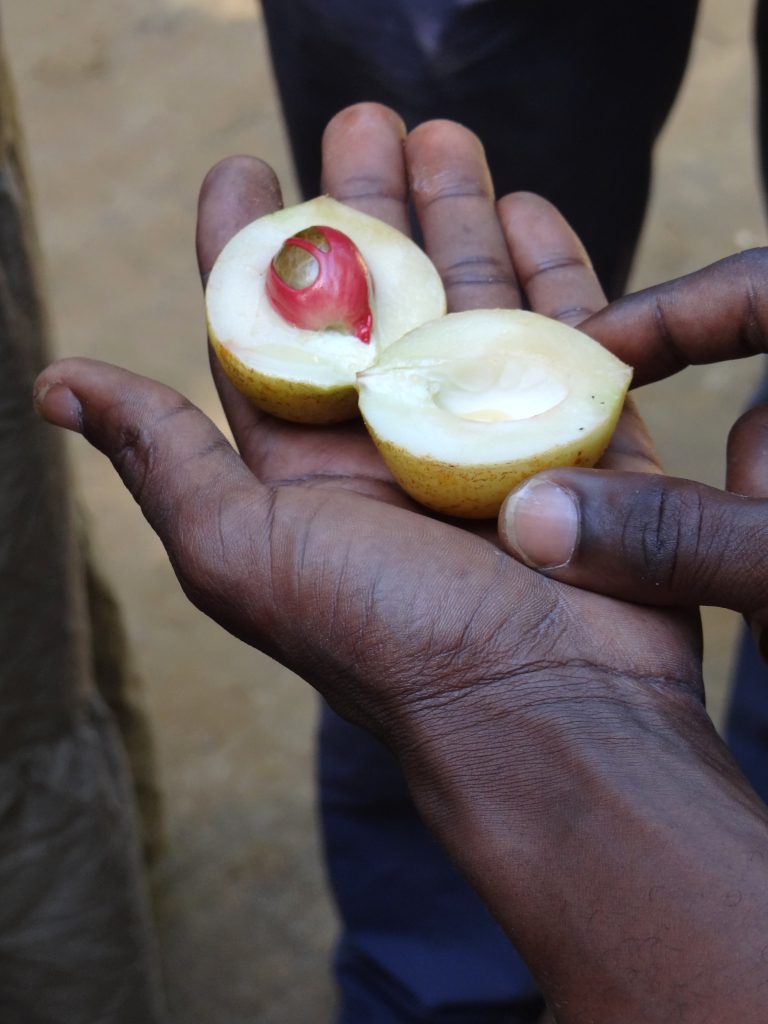
Zanzibar markets itself to visitors as the Spice Island, and its spice farm tours around Kizimbani and elsewhere are a genuine tourism draw. But at the level of national trade statistics, the phrase describes a branding relationship, not an economic one — the actual export revenue from spices is a rounding error next to what tourism generates, and the gap between them is getting wider, not narrower.
The numbers, side by side
According to the Bank of Tanzania’s Monthly Economic Review, as reported in a March 2026 analysis, Zanzibar’s total exports for the year ending February 2026 reached $1,625 million. Services — of which tourism is described as the overwhelmingly dominant component — accounted for $1,542.7 million of that, or 94.9 percent of total export earnings, up 22.4 percent year-on-year. Goods exports of all kinds together made up just $82.2 million, roughly 5 percent of the total, even after more than doubling year-on-year.
Within that small goods category, cloves are the largest single item: $33.9 million in export value over the same period, on a volume of 5,500 tonnes at an average price of $6,157 per tonne — itself a sixfold jump in value from the prior comparable period. Cloves are, in other words, Zanzibar’s flagship agricultural export and still amount to roughly 2 percent of what tourism alone brings in.
The gap isn’t closing — it’s concentrating
A separate reading of Zanzibar’s trade data for the year ending June 2026 shows total goods exports of $70.5 million, more than double the prior year, with cloves alone accounting for about 63 percent of that entire goods total at $44.6 million (7,000 tonnes, average price up 33.8 percent to $6,335.90 per tonne). Every other major goods category in the same report — manufactured goods, fish and fish products, seaweed — declined over the same period, some sharply (seaweed down 45.9 percent, manufactured goods down 30.1 percent). So even the small goods-export side of Zanzibar’s economy is becoming more dependent on cloves specifically, while the goods side as a whole keeps shrinking relative to services.
Why the conflation happens
Spice tourism and spice trade are two different products sold to two different customers, and Zanzibar’s marketing blurs them by design: the same word — spice — sells a $30 farm tour to a visitor and describes a $6,000-a-tonne bulk commodity sold to an importer. There’s no official breakdown separating “tourism revenue attributable to spice tours” from hotel stays, transport, or other tourism spend, because that revenue is folded into the aggregate services figure — but the scale of that aggregate figure ($1.5 billion-plus) against clove exports ($34–45 million depending on the reporting window) makes clear that whatever slice spice tourism occupies within tourism, it dwarfs the actual spice trade on its own.
What this means for anyone assessing the sector
None of this diminishes cloves’ importance to Zanzibar’s rural economy — smallholder households across Pemba and Unguja depend on clove income in ways aggregate trade figures don’t capture. But at the level of Zanzibar’s external accounts, the honest read is that Zanzibar’s economy runs on tourism, with commodity spice exports as a modest and volatile secondary line — not the reverse impression the “Spice Island” branding tends to leave.
- TICGL, "Zanzibar Economic Performance" (citing Bank of Tanzania Monthly Economic Review, March 2026) — https://ticgl.com/zanzibar-economic-performance/ — 2026-09-26
- Daily News (Tanzania), "Zanzibar export boom masks clove concentration" — https://dailynews.co.tz/zanzibar-export-boom-masks-clove-concentration/ — 2026-09-26
- The Guardian/IPP Media (Tanzania), "Zanzibar's goods exports reach $98.3m led by cloves, seaweed" — https://ippmedia.co.tz/the-guardian/business/read/zanzibars-goods-exports-reach-983m-led-by-cloves-seaweed-2026-03-18-121706 — 2026-09-26